
Can I Have Radon In My Basement Even If It's Finished?
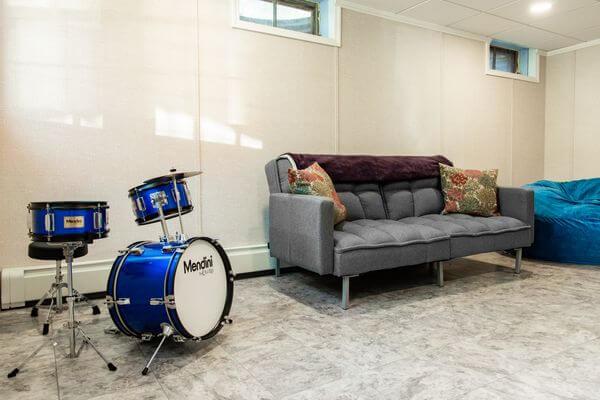
Finished basements are a wonderful place to spend time with the family, but could there be a danger you can't see?
Radon gas exists around us at all times--a naturally occurring, odorless, colorless, and tasteless gas, radon emanates up from the soil, passing barriers to find the open air, dissipating harmlessly into the atmosphere. The trouble begins when the gas encounters a structure like your home.
As radon rises through the soil, it works its way around and through impediments to its path, finding any gap or weakness and seeping through. When the gas encounters the walls and floors of your basement--finished or unfinished, it behaves the same way, following the path of least resistance. Once inside the home, however, the gas doesn't have an easy way to escape and disperse.
Why is this an issue? Well, radon gas is the second leading cause of lung cancer in the USA. Without the ability to escape the confines of your home, the gas will continue to build up over time, but without being easily detected, creating a potential serious risk.
Is It Okay to Live in a House With Radon?

Radon is a silent threat to your health, undetectable until symptoms arise.
At certain levels, living in a house with radon gas is unsafe. It is recommended to keep the levels as close to or at zero as possible since this colorless and odorless gas can lead to lung cancer.
Radon is formed deep underground when radioactive elements within the earth's crust, such as radium, thorium, and uranium, begin to break down and decompose. Normally, radon poses no threat to our health when rising out and into the open air, but when trapped in a confined space without an easy way to dissipate, radon becomes a definite danger.
Over time, prolonged radon exposure can lead to a variety of troublesome symptoms and exacerbate or even cause respiratory illnesses.
What are the Symptoms of Exposure to Radon Gas?
- Persistent coughing
- Hoarseness of voice
- Wheezing and shortness of breath
- Coughing up blood
- Chest pains
- Frequent infections such as bronchitis and pneumonia
- Loss of appetite
- Weight loss
- Persistent fatigue
Without testing, there’s no way to know whether radon is present in the home, since it is undetectable with our human senses. Often, the only way that a problem is noticed is when increasing negative effects on the health of household members are observed.
Which Houses are Most at Risk for Radon?
Being a natural gas, radon is commonly found lingering in basements and crawlspaces, unable to disperse into the atmosphere. It's estimated that 1 in every 15 homes in the United States suffers from radon gas exposure. By that measure, it's very common, making widespread radon testing and mitigation necessary.
Regardless of whether a home's basement is finished or unfinished, radon will find its way inside. In recent years, new construction has incorporated this knowledge into building techniques. Radon-resistant construction includes a passive radon mitigation system within the home's structure; however, it is still strongly recommended that the home be tested for high radon levels every two years.
How is Radon Measured?
Radon is measured in units known as pCi/L. This is used to determine the health risk of any potential radon in the home. By professional and environmental standards, the level of radon gas within the home should never surpass four pCi/L. Testing should be carried out at this level and a mitigation system installed.
Should I Worry About Radon in My Basement?
Even as radon percolates around in your home, it has a very high decay rate, and when inhaled, the gas breaks down into thousands of particulates that negatively impact the lining of the lungs and throat. The EPA estimates that up to 21,000 lung cancer deaths in the United States are attributed to prolonged exposure to Radon gas. Radon has been listed as the second leading cause of lung cancer within the US, and the number one cause of lung cancer in non-smokers, with children and young teens being the most susceptible.
Unfinished Basements VS Finished Basements
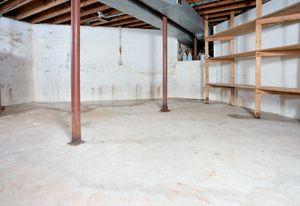
Finished or unfinished, it makes little difference--if there's a way in, radon will find it.
Though it may seem as though finishing your dark, dank basement could help to block radon gas from entering your home, finishing the space won't make much of a difference one way or another. Though it may be slightly harder for the gas to seep in, gaps and cracks will still exist, and radon will still find its way inside. Sealing and adding proper ventilation may help to alleviate the problem somewhat, but proper testing and mitigation are the only ways to be truly safe from radon gas exposure.
You may ask yourself, “Should I be worried if my home already has a radon mitigation system?” We are here to tell you, you don’t need to worry. In fact, it’s a good thing! The previous owners proactively maintained the home’s health and protected it from high radon levels.
If you're looking to finish your basement, don’t be deterred by the presence of radon. Once a mitigation system has been installed, the space can be safely used again!
How To Reduce Radon Levels In The Home
So, you've tested for radon and found that your home needs radon gas mitigation. What now?
Given the health risks, it’s not recommended that DIYers try tackling the task of radon mitigation and removal. Radon mitigation specialists are rigorously and extensively trained to work around the radioactive carcinogen to be as safe as possible while redirecting the gas from within the home to where its dangers are neutralized.
Upon hiring a radon mitigation contractor, the consultation should cover future testing, structural layout concerns, aesthetic options, cost, and warranties. With some radon mitigation systems proven to have a 99% success rate, your specialist will review the best options for you and ensure that you're well informed through each step of the process.
Different Types of Radon Remediation Systems
Now that you know the dangers of radon in basements, it’s important to know the different options of radon remediation systems available. National Radon Defense offers the following trusted systems and techniques to keep homeowners’ basements free from radon exposure.
- Drainage Systems: Help to steer radon-laden water away from home, ultimately reducing radon levels.
- Passive Radon Mitigation Systems: Typically installed in new homes. This type of system relies on natural airflow to reduce radon levels. It could require an active fan if the radon levels remain high.
- Sub-Slab Depressurization (SSD) Systems: The most popular system. We use a vent, installed under the foundation, that takes the radon gas out of the home before it gets the chance to enter.
- Crawlspace Mitigation Techniques: Installing ventilation fans to prevent radon from entering. We seal the crawlspace with specialized vapor barriers.
These are all good options, but you must determine which radon remediation system best keeps your basement radon levels safe. We can help you!
Finding A Radon Mitigation Contractor Near You

Whether you're considering investing in a finished basement or not, testing for radon is always a good idea! Reach out to a local mitigation contractor near you!
Whether you're considering investing in a finished basement or not, testing for radon is always a good idea! Reach out to a local mitigation contractor near you!
We recommend National Radon Defense, the nation’s largest network of radon mitigation contractors, to provide highly trained mitigation to homes and families nationwide.
Being a natural, radioactive gas, radon causes thousands of cases of cancer each year as it sneaks into our homes and workplaces. It's recommended that your home be tested regularly for radon by a professional radon mitigation contractor to ensure that you, your family, and loved ones are safe and living in a healthy home. If you’re concerned about the radon risk in your home, reach out to them today!
Updated August 26, 2025
