
Before & After Photos
Click on a photo to enlarge.
Insulating a Basement in Worcester, MA


This homeowner in Worcester, MA called looking for new basement insulation. She wanted to replace her fiberglass, as it was falling down and inefficient. In a basement, the “rim joist” is the perimeter of the floor framing system along the exterior of the house. The joints and gaps between all the framing members allow for a lot of air leakage into the house. The rim joist is seldom insulated and never air sealed. Basement ceiling insulation, especially fiberglass batts, doesn’t stop the flow of cold air into the home. Results - cold floors, drafty, uncomfortable rooms, cold basement/lower level, higher heating and cooling bills and more condensation in the basement or crawl space in the summer.
We had the perfect solution for this customer. In this solution, we spray foam the rim joist in the basement in order to seal and insulate it. Two part expanding spray foam is installed on the rim joist and over the sill plate to seal all air leaks from the outside and insulate this important area of the home. Our spray foam has a high insulation value per inch of R7, and because it expands, it seals all cracks and gaps and joints where air from the outside enters the home. Results - warmer floors, less drafts, more comfortable rooms, the house is easier to heat and costs less to heat, less summertime condensation on cold basement surfaces.
Uninsulated Concrete Basement Walls in Worcester, MA


This customer contacted Fogarty's Home Services because the floors in her home were cold, she was finding it more difficult to keep the house warm and she had high energy bills. Our Home Comfort Specialist identified uninsulated walls in the basement which is contributing to making the home uncomfortable.
We installed Foamax foam insulation board on the basement walls with Dr. Energy Saver’s proprietary Foam-Tite fasteners. The customer now has a warmer, more comfortable basement, warmer floors above basement, less condensation in the summertime and lower fuel bills.
Insulating a Basement in Worcester, MA
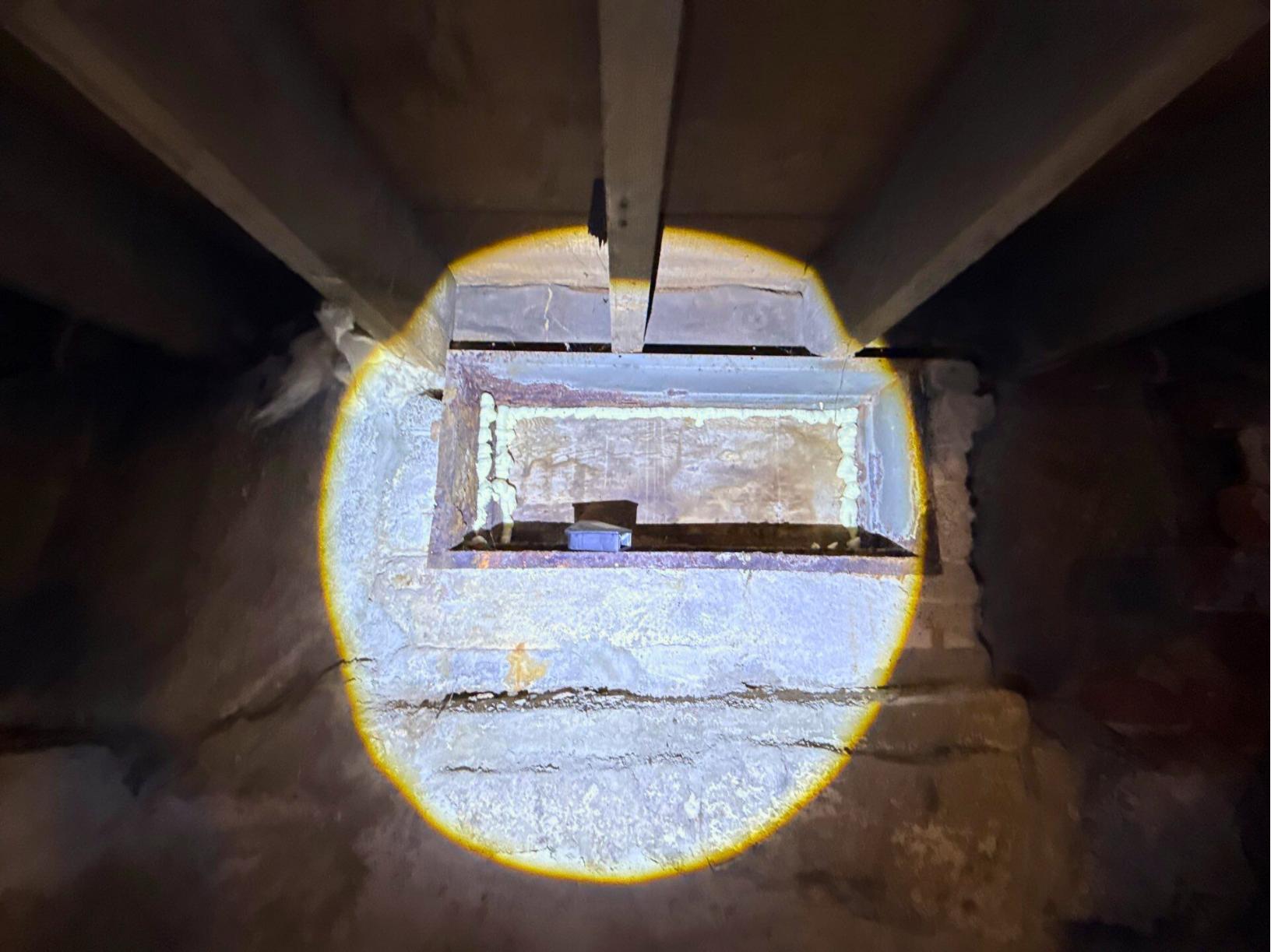
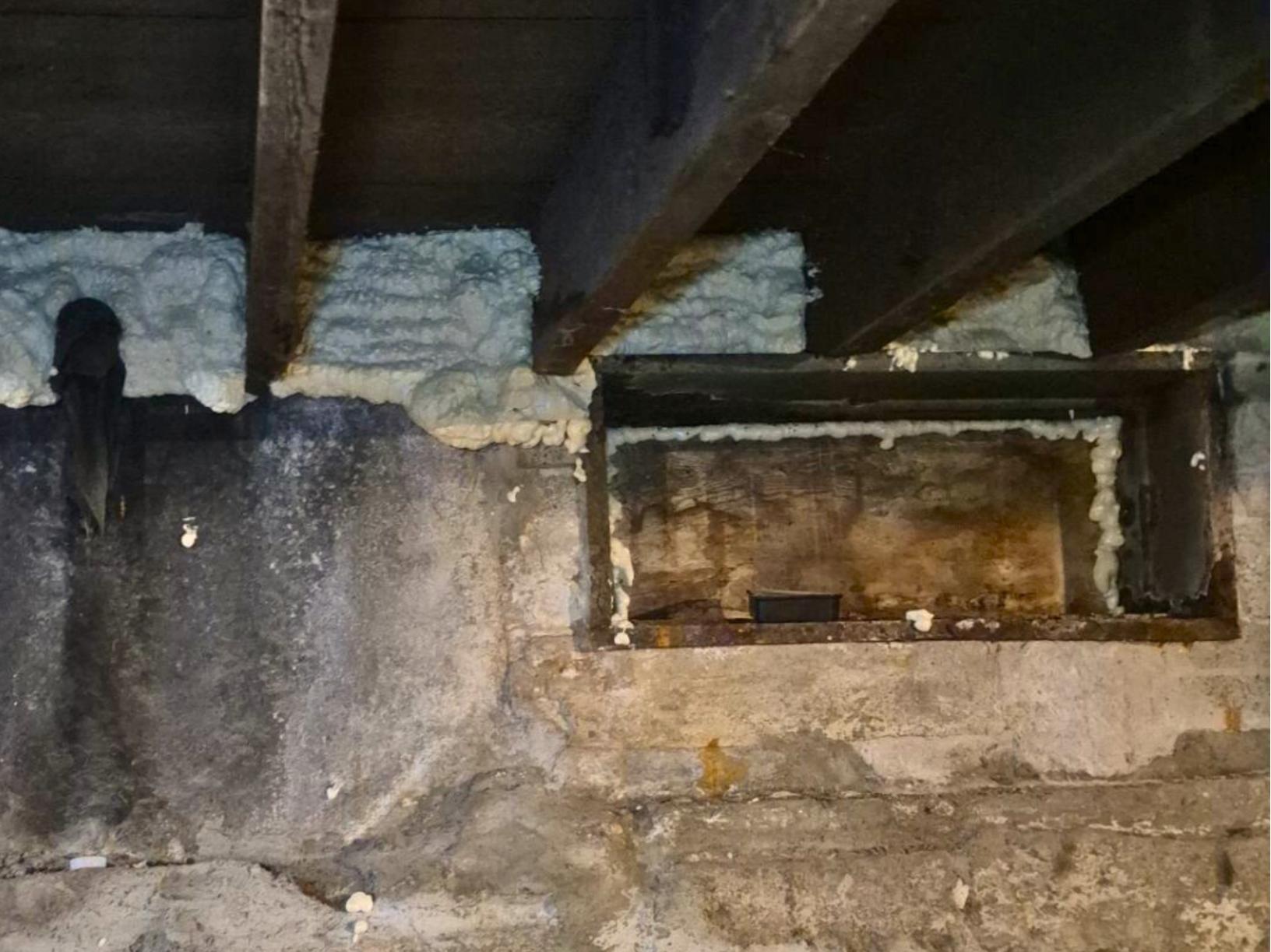
This homeowner in Worcester, MA called stating that she had drafty windows. She believed that one of the windows in her home was cracked. Upon further discussion, we learned that she was the owner & one of the occupants in a multifamily home. All of her tenants were experiencing different home comfort issues. While evaluating the home, the Home Comfort Specialist found that the basement was significantly under-insulated.
We had the perfect solution for this customer! We utilized two-part expanding spray foam. We insulated the rim joist (the perimeter of the floor framing system along the exterior of the home). We spray this foam in the rim joist and over the sill plate. Insulating the rim joist in this way seals all air leaks -- filling in the cracks and gaps that are present there. This prevents outside air from getting into the home. The homeowner is now very happy, and she is much more comfortable in her home!
Insulating Heat Ducts with Spray Foam in Worcester, MA


Spraying the heat ducts with spray foam
Reducing Ice Dams in Worcester, MA


This homeowner from Worcester, MA called us about ice damming problems. They experienced costly fuel bills during the cold months of the year. After our evaluation and inspection, we found major heat loss due to inefficient insulation and air leaks.
To fix this common problem, we use our SuperPlatform treatment. First, we removed the existing insulation; remove all of the old insulation and properly dispose of the materials off site. In addition, this homeowner requested more storage space, so we accommodated and made a catwalk for easy access. We laid our 4" SilverGlo foam board across the wooded walkway. Next, we installed plywood over the foam board and secured it. Finally, we dense packed our TruSoft cellulose insulation to complete the project.
Thanks to Dr. Energy Saver by Eco Energy Solutions, this customer is happier in their warm and comfortable home - and no longer dealing with ice damming issues!
