
Before & After Photos
Click on a photo to enlarge.
Insulating a Basement in Springfield, MA


This homeowner in Springfield, MA called us initially to talk about his attic insulation. When our Home Comfort Specialist came out to the home, he asked if there were any other comfort issues they were having. They identified that they were thinking about getting basement insulation as well. The issues they were having with mold and rodents would be helped by basement insulation, and they though that it could improve their home comfort as well.
We had the perfect solution for this customer! We utilized two-part expanding spray foam. We insulated the rim joist (the perimeter of the floor framing system along the exterior of the home). We spray this foam in the rim joist and over the sill plate. Insulating the rim joist in this way seals all air leaks -- filling in the cracks and gaps that are present there. This prevents outside air from getting into the home. The homeowner is now very happy, and he is much more comfortable in his home!
Basement insulation and install in Springfield, Ma


Old moldy insulation was removed in a homeowner's basement and replaced with Foamax insulation boards on the walls and Thermal Dry Plank Flooring. This basement insulation and installation helped with making the basement moisture-resistant and preventive for future mold growth and more energy efficient.
Rim Joist Insulation in Montague, MA


This homeowner contacted us to make her newly purchased 1929 home more comfortable. Our team insulated the rim joist in the basement to reduce heat loss and the infiltration of cold air. The rim joist in most homes is seldom insulated and never air sealed. We used our two part expanding spray foam to seal all air leaks and insulate this important area of her home. Our spray foam has a high insulation value per inch of R7 and it expands, sealing all cracks and gaps.
Thanks to Dr. Energy Saver by Eco Energy Solutions, his home will be more comfortable year round and the homeowner will have lower energy costs.
Air Seal & Insulate Garage Ceiling in Turners Falls, MA


This homeowner called Fogarty's Home Services to help make the room above her garage more comfortable. She was experiencing very hot temperatures in the summer and extreme cold temperatures in the winter. Her garage isn't heated, but the finished rooms above the garage is, so the garage ceiling needed be insulated. Fogarty's Home Services drilled holes are into the rim joist (from the outer edge of the ceiling/floor framing) from the outside Then, we inserted a very long pipe into the joist bays all the way to the other side. Lastly, we air sealed and insulated the garage ceiling with TruSoft™ insulation. This happy homeowner will now feel the results of warmer floors above the garage, more comfortable room temperatures, quieter floors in the room upstairs without a hollow sound, and lower heating and air conditioning bills.
Insulating an Attic in Turners Falls, MA
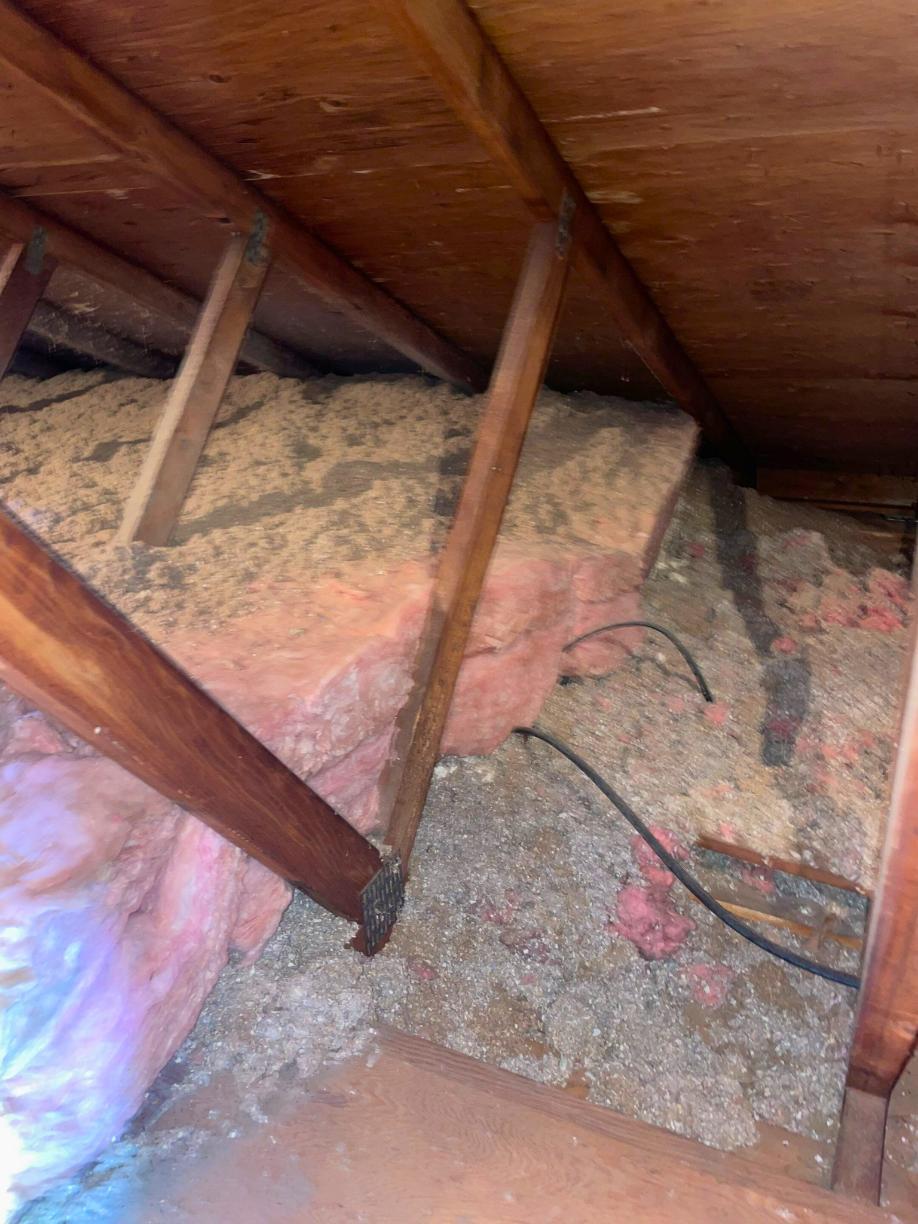
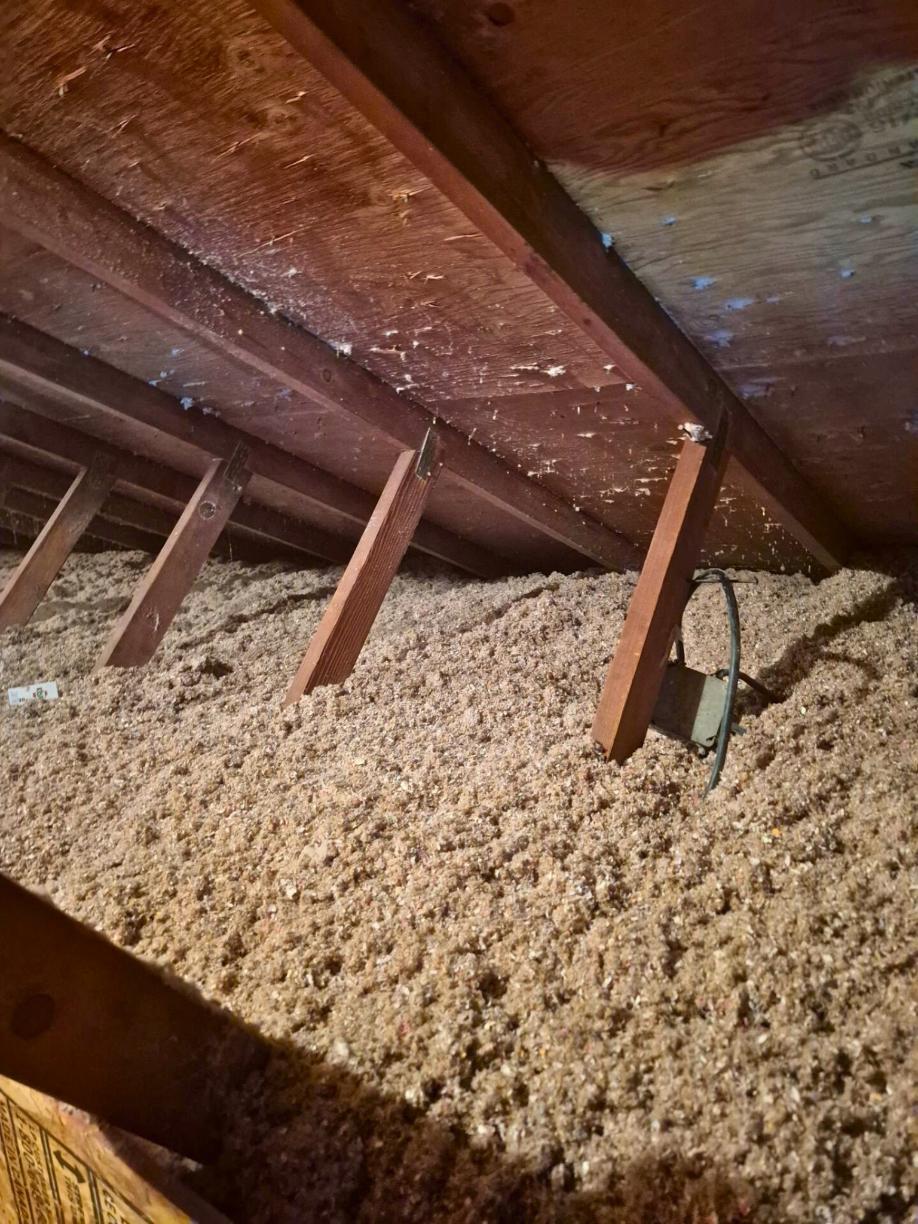
This homeowner in Turners Falls, MA called us believing that she had inadequate insulation or no insulation at all in her attic. She believed that it was exceptionally bad above her former three season room that had been converted. According to the homeowner, they had had blown-in insulation added above the fiberglass batts in their attic, but insulation was not added in all of it. When our Home Comfort Specialist came out to the home, he found that the homeowner was correct. In the majority of the attic, they had fiberglass batts with blown-in cellulose insulation added on top of it. However, the attic insulation was dramatically lower in one area of the attic, and then was missing entirely from another area that was above the former three-season room.
We had the perfect solution for this customer. We were able to replace the attic insulation with TruSoft™ cellulose insulation. We started by removing the fiberglass batts, putting them into bags and bringing them out of the house. We then removed the loose fiberglass insulation with a large vacuum. We then went in and air-sealed around all of the points where air leaks up from the home to the attic. We did this using our Zypfoam™ spray foam. Once the attic was air sealed, we used a long hose to blow in TruSoft™ cellulose insulation. TruSoft™ is amazing -- it does not burn, get moldy, or attract pests. The blown-in insulation fills all gaps and oddly shaped voids. The homeowner is now much more comfortable in her home!
